
From Seed to Tincture: Why Traceability Matters in Herbal Medicine
By Rutland Biodynamics – Advertisement Feature
In herbal medicine, the journey from plant to finished tincture is just as important as the finished product itself.
For practitioners, recommending a herbal medicine means placing trust in the manufacturer. You need confidence that the correct plant has been used, that it has been handled appropriately, that the extraction process is controlled, and that the finished product meets the required quality standards.
At Rutland Biodynamics, we believe that quality begins long before a herb enters a manufacturing vessel.
Growing our own medicinal herbs
Our approach is unusual because we bring together two parts of the herbal medicine supply chain on one site: a biodynamic herb farm and a cGMP manufacturing facility.
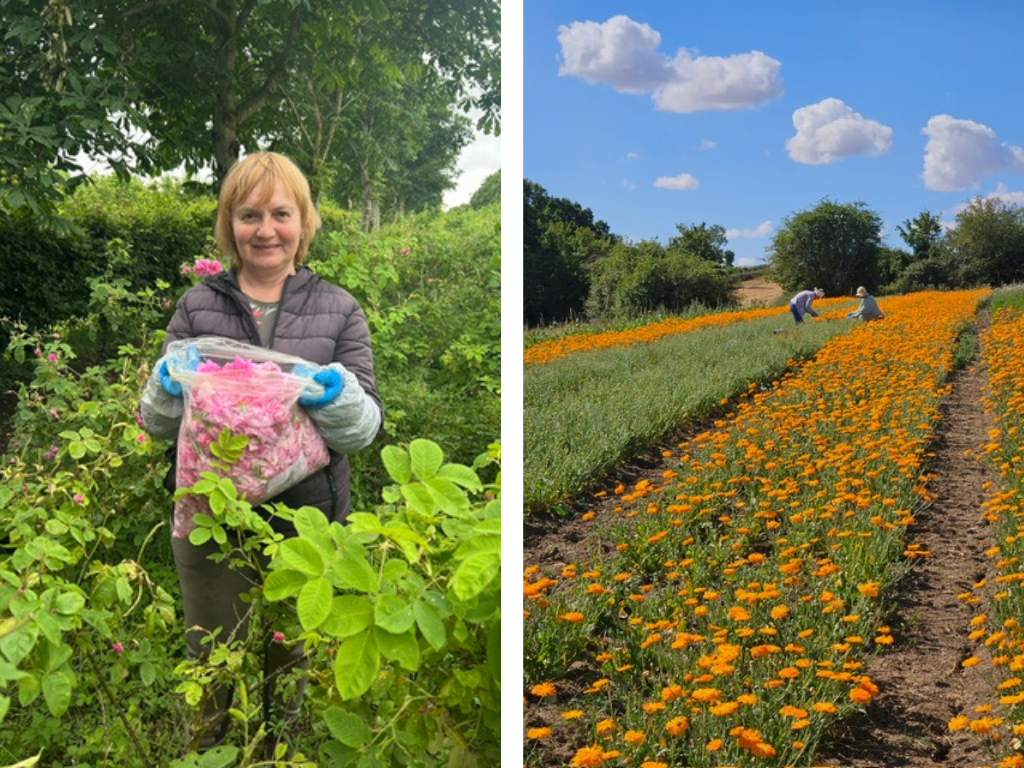
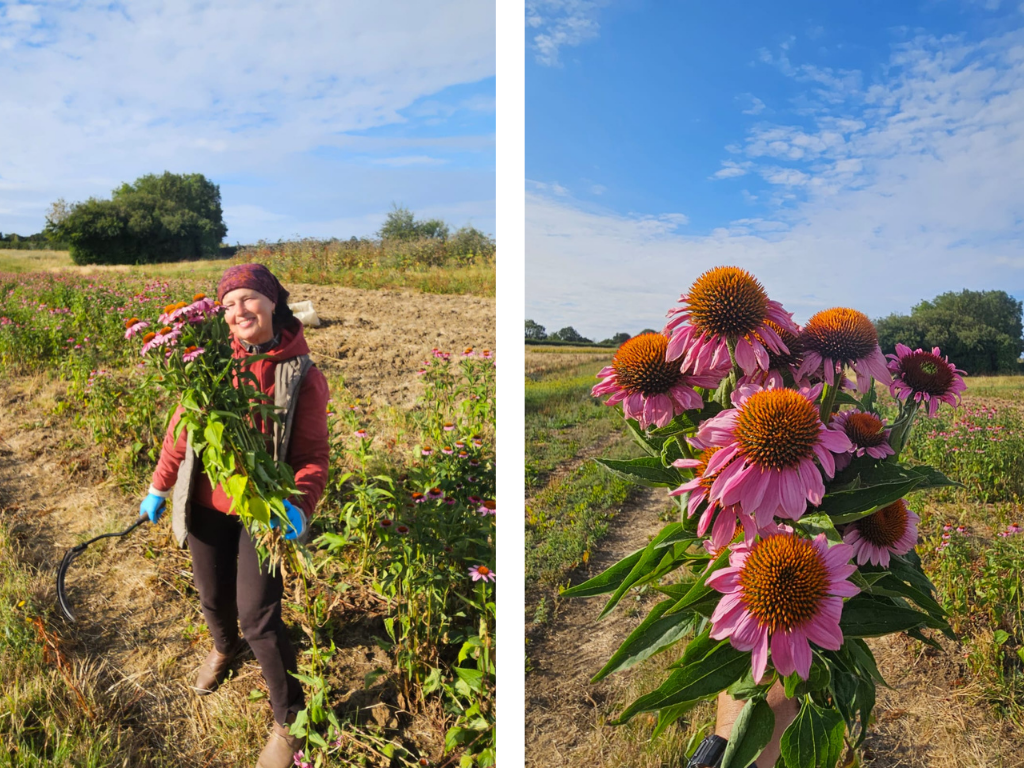
We grow about 80 medicinal herbs on our farm using biodynamic principles, giving us direct control over the earliest stage of production. This allows us to know exactly where our herbs have come from, how they have been grown and when they have been harvested.
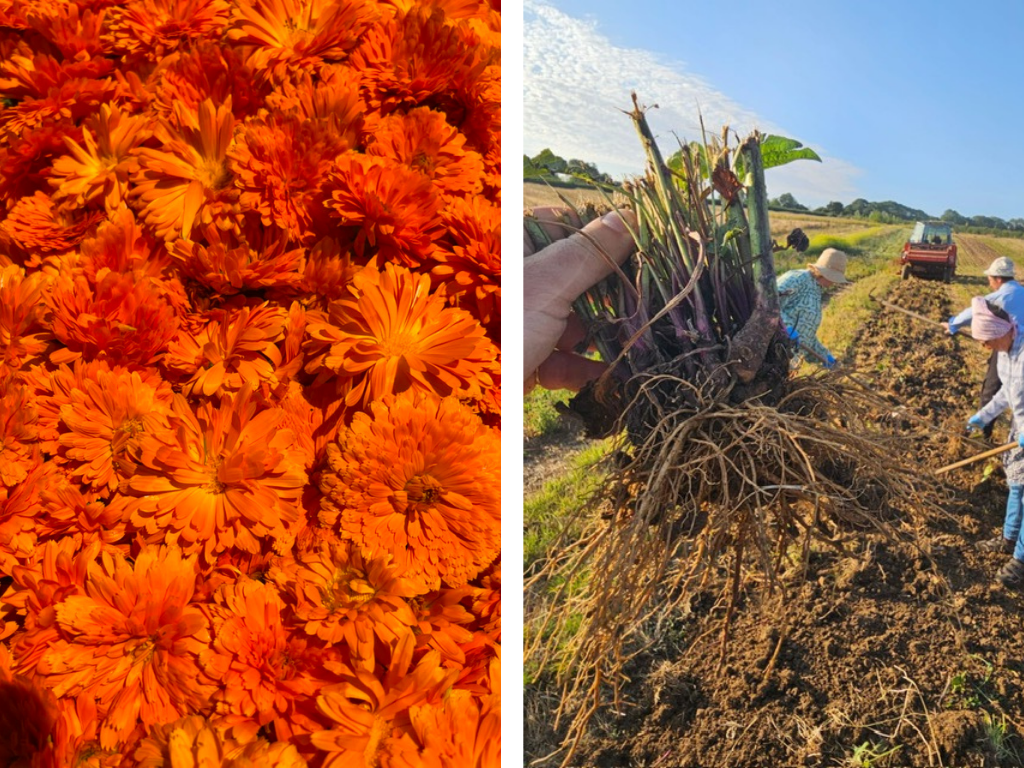
For our fresh organic tinctures, the herbs can be harvested at their peak potency and macerated into a tincture on the same day. That short journey from field to extraction is important. Rather than relying on a long and potentially complex supply chain, we can maintain control over the raw material from the moment it leaves the field.
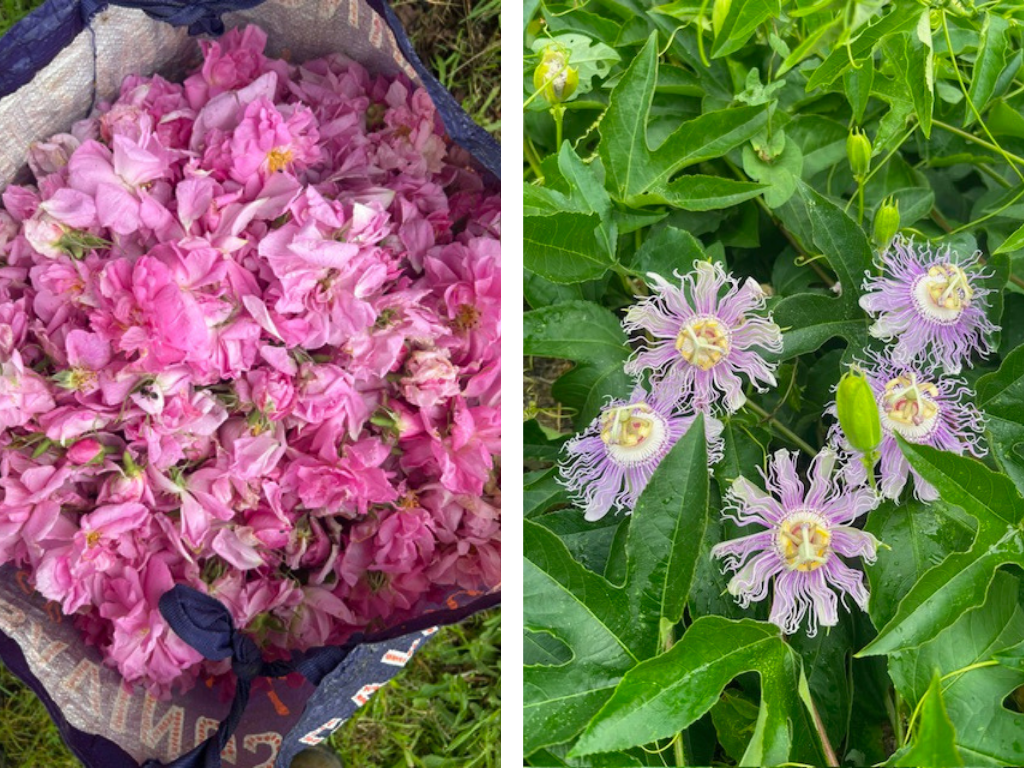
Moreover, immediate, same‑day processing allows us to macerate fresh plants while their constituents are most active, capturing the full vitality, complexity, and therapeutic intelligence of the living plant. Nothing degrades; the plant’s character is preserved from field to bottle.
While dried‑plant tinctures can relieve symptoms, they lack the depth and nuance of fresh‑plant preparations. People seek herbalists, not only for symptom relief, but for support that reaches deeper layers of healing. Although individuals ultimately heal themselves, herbs can serve as powerful guides along that journey. Fresh tinctures carry the plant’s full energetic signature, often supporting shifts that surprise both practitioner and patient — effects that reductionist, symptom‑focused approaches may miss.
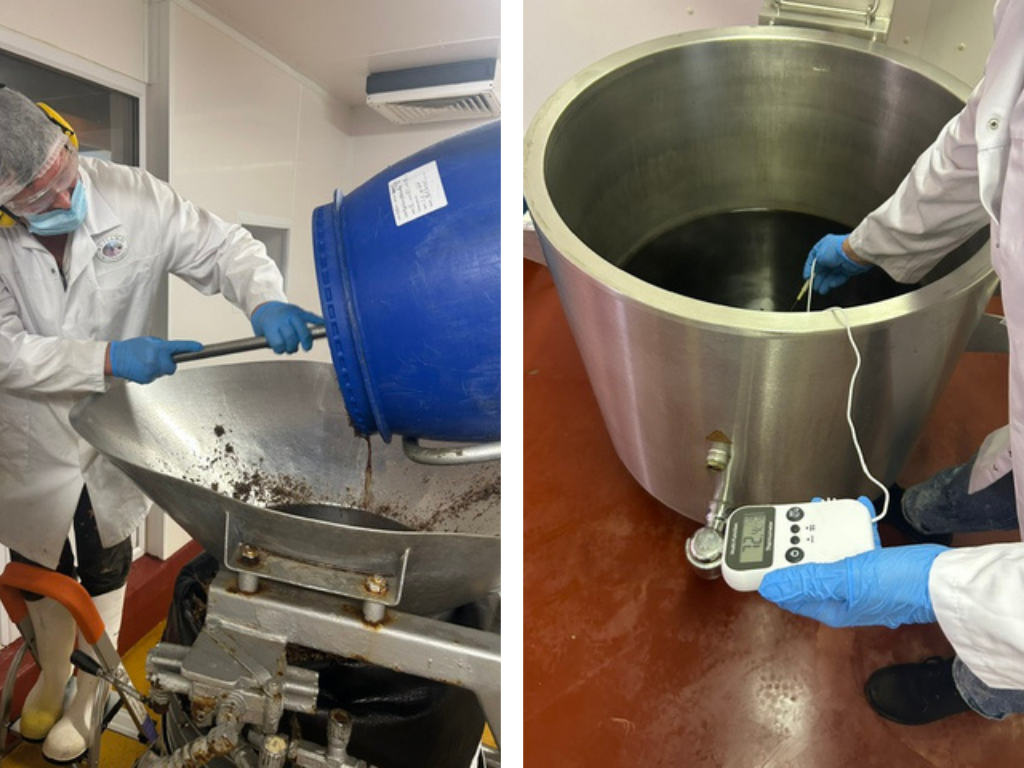
Traceability from field to finished medicine
Traceability is increasingly important in herbal medicine. Every stage of production needs to be controlled and documented if practitioners and their patients are to have confidence in the finished product.
At Rutland Biodynamics, our farm and manufacturing operation are integrated, allowing us to follow the journey of our herbal materials through cultivation, harvesting, extraction, processing and final release.
Our onsite laboratory plays an important role in this process. Every batch of medicine is subjected to quality control testing before it is released for sale. Having laboratory facilities onsite means that testing and manufacturing are closely integrated rather than being separated by another stage of the supply chain.
Quality isn’t just about testing the finished product
Testing a finished tincture is essential, but quality cannot simply be tested into a product. It starts with the raw material.
The identity and quality of the herb, the conditions in which it was grown, the timing of harvest, how quickly it is processed and the controls applied during manufacturing can all contribute to the quality of the final medicine.
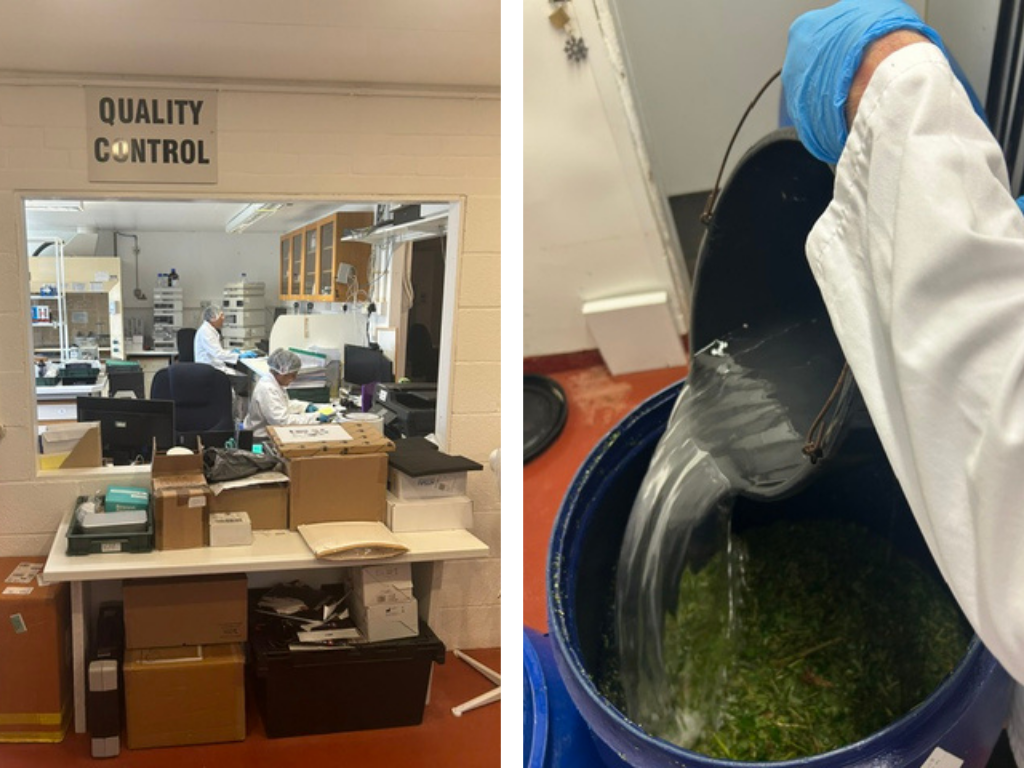
This is why we believe that having control over the entire process provides such a significant advantage.
Sustainability and quality can work together
There is also a sustainability benefit to shortening the supply chain. Growing medicinal herbs ourselves means that, where appropriate, we can reduce the number of stages and distances involved in getting raw materials from producer to manufacturer.
However, sustainability should never come at the expense of quality. For us, biodynamic agriculture, responsible stewardship of the land and pharmaceutical-grade manufacturing are complementary parts of the same approach.
We want to produce herbal medicines that are not only effective and consistent, but also produced with respect for the plants, the soil and the wider environment.
Supporting practitioners
We understand that practitioners need more than a bottle of tincture. They need confidence in the manufacturer behind it. They need to know that the raw materials are properly controlled, that manufacturing takes place under appropriate standards, that batches are tested and that there is a robust system of traceability.
Our aim at Rutland Biodynamics is to provide exactly that confidence. By combining a working medicinal herb farm with a cGMP manufacturing facility and onsite quality control laboratory, we can offer a level of traceability that is unusual within herbal medicine.
For practitioners and their patients, that means being able to look beyond the label and understand where their herbal medicines have come from and how they have been produced. The whole story of our fresh organic tincture is transparent and describes a journey of sustainability, efficacy and safety.
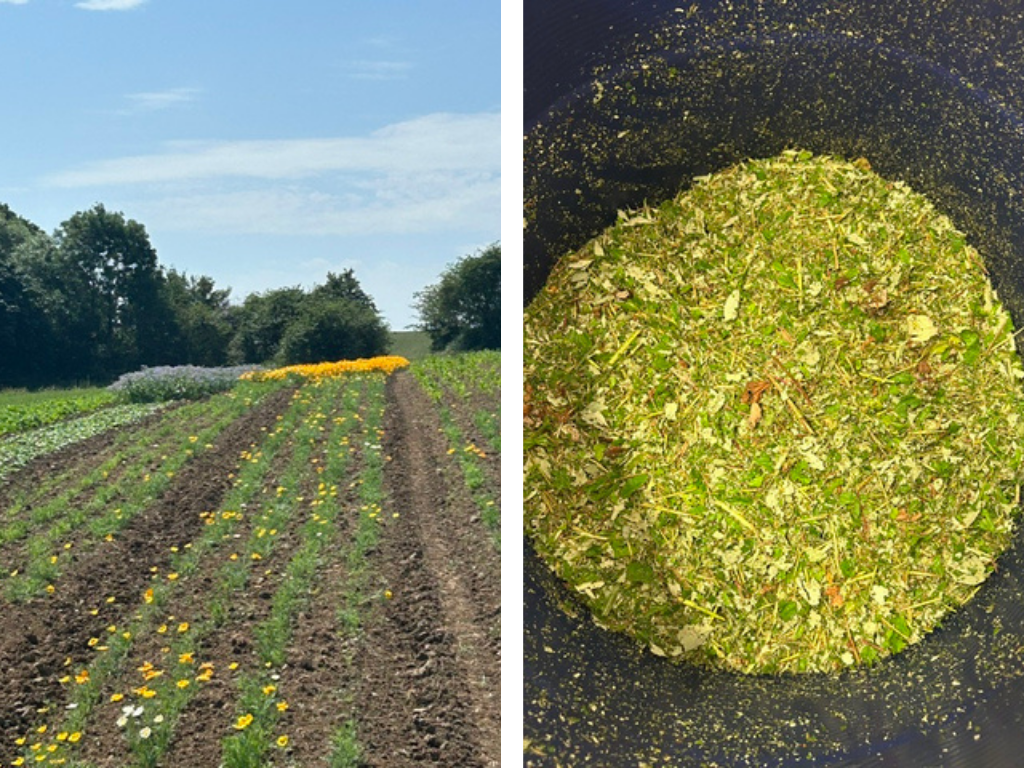
From the soil to the tincture, we believe every step matters.
Rutland Biodynamics – growing, manufacturing and testing herbal medicines with a commitment to quality, traceability and sustainability.