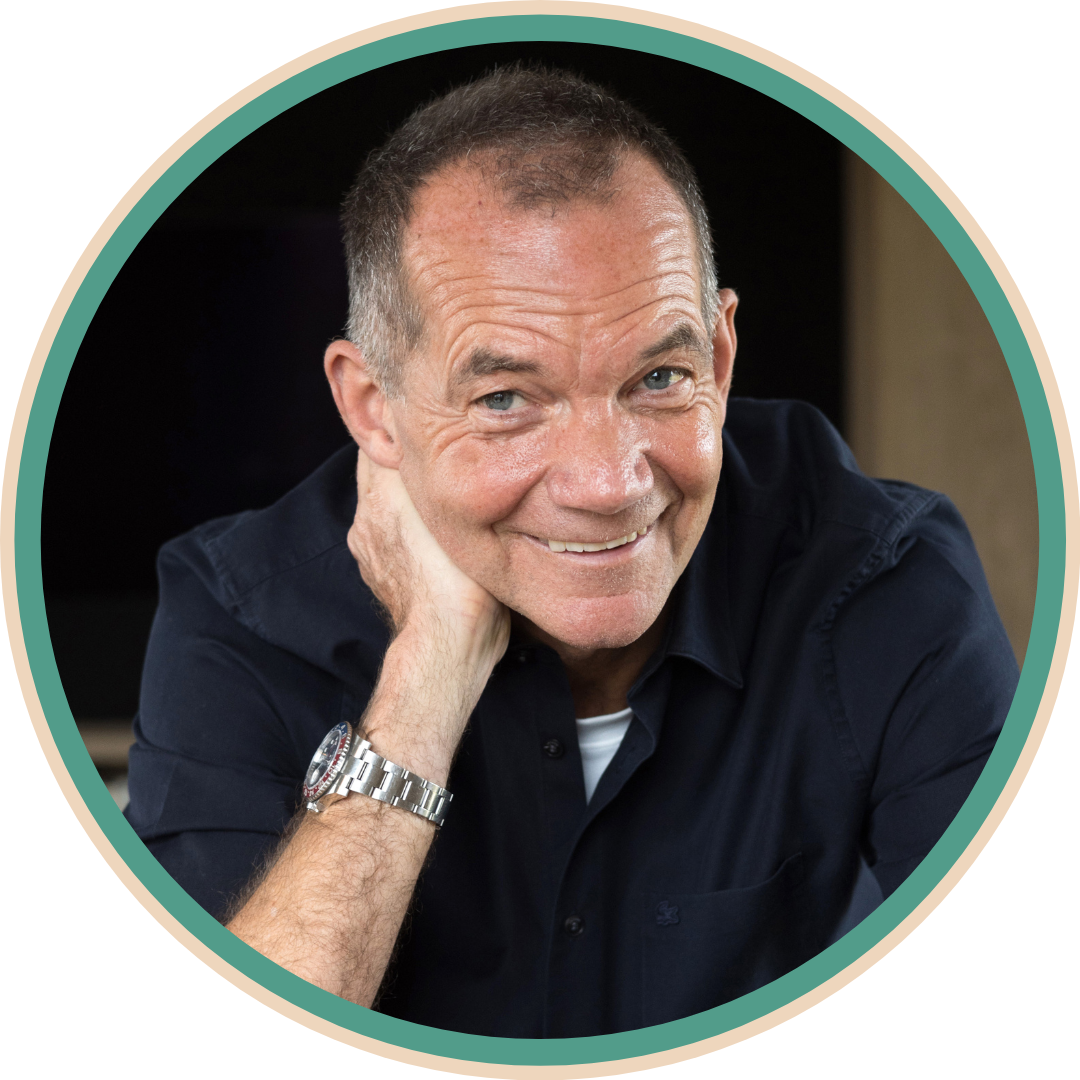
Pol de Saedeleer
Emerging Mechanisms in the Prevention of Cognitive Decline
Cognitive decline represents one of the most significant threats to healthy aging, often exerting a greater impact on quality of life than mortality itself. Increasing evidence suggests that neurodegeneration is not an inevitable consequence of aging, but rather the result of modifiable biological processes, with oxidative stress and neuroinflammation emerging as central drivers.
This lecture examines the pivotal role of glutathione, the brain’s principal endogenous antioxidant, in maintaining neuronal resilience across the lifespan. Drawing on a broad body of published research, we will explore how glutathione depletion constitutes a major risk factor for cognitive impairment and neurodegenerative disorders. Both endogenous toxic stressors and exogenous environmental toxicants, as well as genetic variations affecting glutathione-related pathways, contribute to impaired redox homeostasis and progressive neuronal vulnerability.
Particular attention will be given to the role of microglia in neurodegeneration. Microglial activation normally oscillates between protective and reparative states; however, disruption of the M1/M2 balance may lead to sustained pro-inflammatory signaling. Under certain pathological conditions, this adaptive shift fails to resolve, promoting chronic neuroinflammation and accelerating synaptic dysfunction and neuronal loss. Emerging research suggests that the ability to reprogram microglial activity may represent a promising frontier in cellular biology and neurodegenerative disease prevention.
In this context, the lecture will also discuss the role of Galectin-3 (Gal-3), a protein released by activated microglia that has been increasingly implicated in neuroinflammatory processes and the progression of neurodegenerative conditions. Recent evidence links Gal-3 activity with microglial activation states and the development of pathological tau hyperphosphorylation, positioning Gal-3 as a potential biomarker and therapeutic target in strategies aimed at preventing or slowing cognitive decline.
Finally, we will synthesize current evidence on lifestyle, nutritional, and clinical interventions that support glutathione metabolism, redox balance, and neuroimmune regulation. By integrating mechanistic insights with translational strategies, this lecture aims to provide a comprehensive framework for early intervention and prevention of cognitive decline within the evolving field of longevity medicine.
Speaker bio:
Dr. Pol De Saedeleer is a Doctor in Pharmaceutical Sciences, trained at the University of Louvain, the University of Louvain-La-Neuve and the University of Ghent in Belgium. Over the past decades, he has developed a distinguished international career in pharmaceutical and functional medicine, serving as a teacher, lecturer, and scientific advisor across multiple countries.
Since 2012, Dr. De Saedeleer has been the Scientific and Medical Director of Nutrined/Researched Nutritionals, a company recognized for its commitment to science-based nutritional supplements. He has played a leading role in the development and clinical research of numerous formulations, many of which have been published in peer-reviewed scientific journals.
With a deep dedication to the principles of functional medicine, Dr. De Saedeleer has become a driving force behind global educational initiatives. He is widely respected for his ability to synthesize and communicate emerging research, and has lectured at a wide array of medical institutions and international conferences. His educational outreach includes programs for medical schools in Europe and abroad, where he fosters collaborative learning and interdisciplinary exchange.
Dr. De Saedeleer has served as a board member of multiple medical associations, contributing to the scientific and educational direction of numerous conferences. In 2016, he was appointed Chairman of the European ILADS Committee and later became a Board Director of ILADEF (USA), supporting the advancement of physician education in immune-related and multi-infectious diseases.
A frequent invited speaker, Dr. De Saedeleer
has contributed to conferences held by respected organizations including the European Congress of Integrative Medicine (ECIM), the PNI Academy (Spain), the International Association of Functional Medicine (Italy), A4M, ILADS, the Swedish Society of Functional Medicine, the German Borreliose Society, and the French Medical Association of Infectious Pathologies, among others.
He continues to serve on the scientific program committees of upcoming international conferences, and remains dedicated to building bridges between global medical communities through education, research, and integrative collaboration.